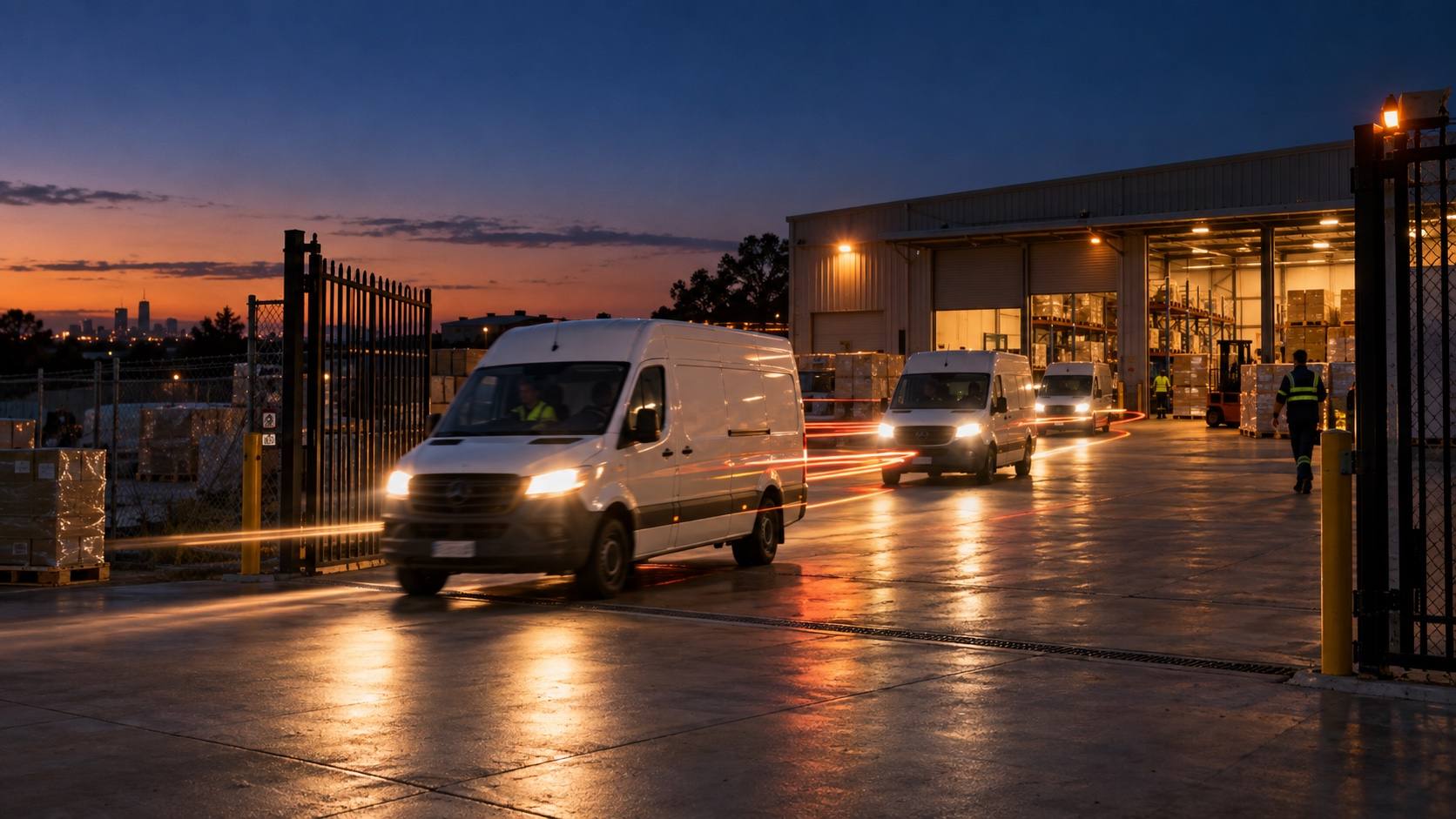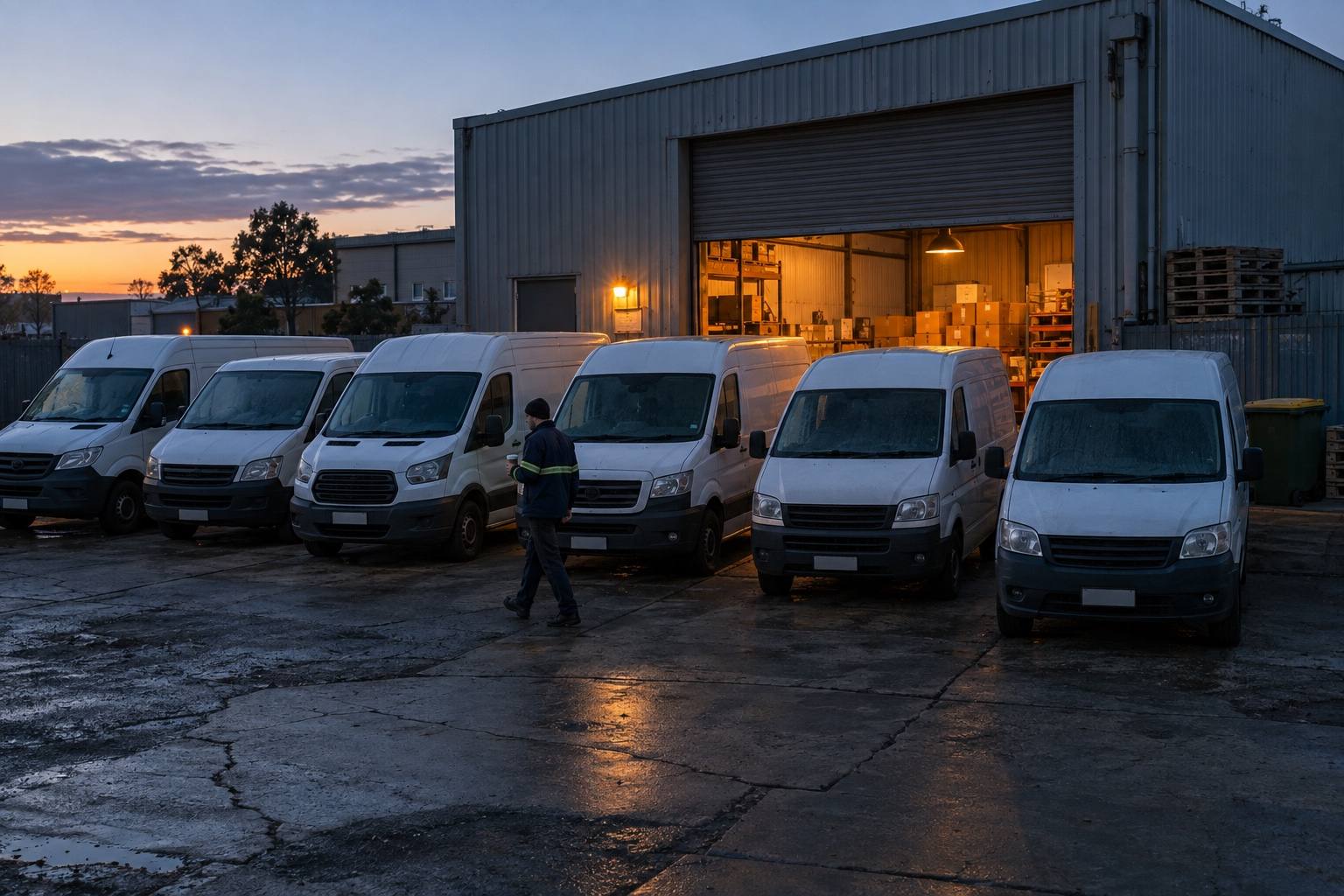
The delivery business came first. Six vans, one lane in Melbourne’s west, and a spreadsheet that took an hour every Monday to update. Within a year the spreadsheet was the bottleneck: we could see that a week had gone badly, but not which of forty drivers, which routes or which hours had caused it, and by the time we worked it out the next week was already underway.
So we built the thing we needed — scorecard history parsed automatically, defects joined to drivers and routes, cost broken down per wave. It changed how the depot ran. Coaching stopped being a guess. Route redraws stopped being an argument.
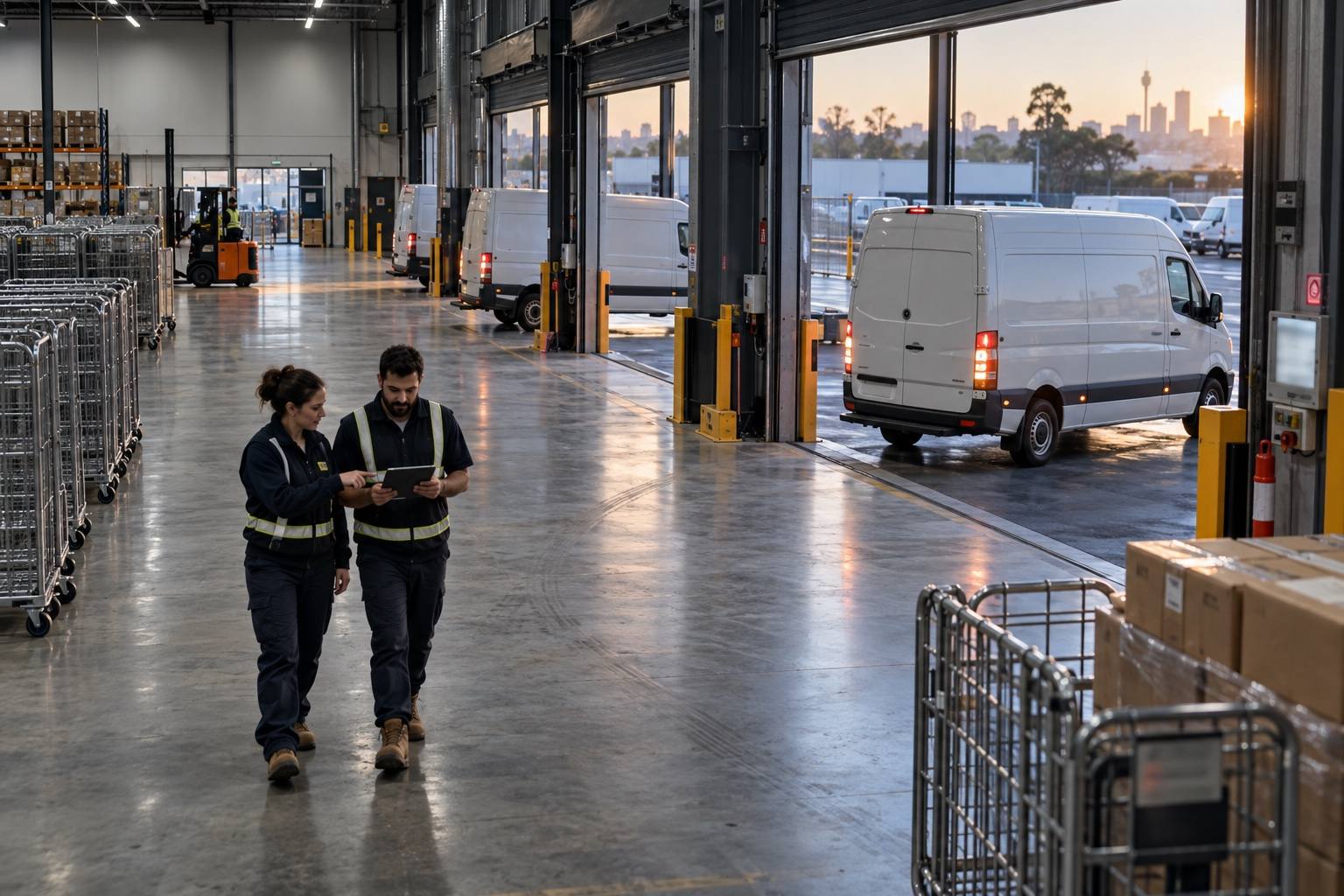
That is also what made going national possible. Opening a depot in a city where nobody knows you is mostly a measurement problem: you cannot stand in the building, so you need the numbers to tell you what standing there would have. By the time we opened in Perth we could see a new depot’s first fortnight in the same detail as our own.
Then other operators saw the platform. Some were competitors on paper; most were running the same problem with the same spreadsheet. We started building it for them, and it turned out the audit — sitting down and finding out where a company’s data actually lives — was the part that mattered most. Nobody needs another dashboard. They need their own numbers in one place, defined the same way twice.